Why Participation Looks Different Across Communities in Swinger & ENM Spaces
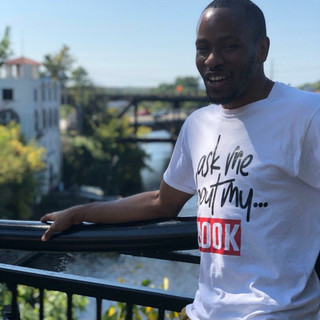
I’ve been attending lifestyle communities and swinger events since 2008, long before social media made events easier to find. Back then, you learned about parties through word of mouth, message boards, or online groups, and attending alone was rare—you always showed up with a date.
As I became more familiar with these spaces, I began noticing patterns—not about race in a divisive way, but about culture, comfort, exposure, and psychological safety. Over the years, I’ve spoken with hundreds of people across all backgrounds, and these conversations have helped me understand why participation looks different from group to group.
This blog isn’t about comparison. It’s about education, context, and creating safer environments for everyone exploring Ethical Non-Monogamy (ENM), intimacy, and community connection.
Cultural Context Matters in ENM Spaces
When I first began attending events, the majority of public participation I witnessed came from white attendees. Meanwhile, Black attendees—although present—were far less likely to engage publicly.
This wasn’t about willingness, sexuality, or desire. It was about comfort, cultural norms, and the environments each community grows up navigating.
To understand this, we must look beyond the event and into the world people come from.
Different Event Cultures: Not Better, Not Worse—Just Different
Common Structure at Predominantly White-Hosted Events
Start time: 7–9 PM
Mandatory dress-down: around 11 PM
Public play begins shortly afterward
Many attendees are comfortable initiating play early
Events often wind down around 1–2 AM
Common Structure at POC (People of Color)–Hosted Events
Start time: often 9 PM or later
Dress-down: typically midnight
Performances peak between 12:30–2 AM
Events may continue until 3–5 AM
Public participation is usually lower (often 5–10%)
Many prefer watching, connecting, or playing privately
Neither style is “right” or “wrong.” They reflect cultural rhythms, work schedules, social conditioning, and community expectations.
Why Start Times Differ
Many Black and POC attendees work multiple jobs, manage family responsibilities, or have fewer support resources for scheduling. This creates later arrival times as a norm—not as a lack of interest, but as a reality of life.
Meanwhile, attendees with more predictable work schedules or earlier availability naturally arrive earlier.
This difference alone shapes the entire event flow.
Why Public Participation Differs Across Communities
Here’s where cultural psychology becomes essential.
⭐ 1. Psychological Safety
Every person needs to feel:
Welcomed
Seen
Invited
Supported
White attendees often experience a cultural environment—inside and outside the party—where freedom of expression is encouraged without major social consequences.
Many Black Americans, however, grow up navigating:
Respectability politics
Social judgment
Family and cultural expectations
The pressure to “not be seen wrongly”
The need to always be aware of surroundings
Those patterns follow us into adult spaces, even when permission is granted.
This has NOTHING to do with desire or confidence—it's about internalized expectations that began long before adulthood.
⭐ 2. Community Judgment
In many Black communities, people often experience being critiqued for choices, sexuality, or expression. That hyper-awareness becomes a barrier to public comfort.
It’s not about the lifestyle—it’s about lifelong conditioning around privacy and reputation.
⭐ 3. Feeling Welcomed and Approached
I’ve spoken with many POC attendees who say:
“I don’t feel like people speak to me at certain events.”“No one approached us unless we approached first.”“I feel watched but not welcomed.”
A lack of social engagement early in the night creates hesitation later in the night.
Connection must come before comfort.
Solutions for Event Hosts: How to Build Inclusive ENM Spaces
1. Extend Door Times
A strict 7–11 PM arrival window unintentionally excludes people with later schedules.Allowing arrivals until 1 AM helps diversify attendance and participation.
2. Staff Should Intentionally Engage With POC Attendees
A simple:
“Welcome!”
“Let me introduce you to people.”
“Glad you’re here.”
… dramatically increases comfort and participation.
3. Create a Social Warm-Up
Activities like:
Icebreakers
Guided conversations
Mix & Mingle segments
…help reduce anxiety and build trust.
4. Normalize All Levels of Participation
Watching is participation.Connecting is participation.Learning is participation.
Not everyone comes to play—some come to explore, observe, or grow.
5. Encourage Cultural Awareness Without Blame
Hosts should:
Understand differences
Adapt event flow
Create safe spaces
Avoid assumptions about who will or won’t play
Solutions for POC Attendees: Building Comfort in the Room
To POC couples and singles exploring these spaces:
✔ Release expectations
Not every event will feel familiar.
✔ Make connection your first priority
Talk to people. Laugh. Share your story.
✔ Find your comfort group early
People you connect with help create a sense of belonging.
✔ Don’t internalize the room
Sometimes the room is quiet simply because people don’t know how to start conversations.
What This All Means
Differences in participation are not about:
Sexuality
Confidence
Interest
Ability
They’re about cultural conditioning, access, safety, and community dynamics.
The more we understand each other’s backgrounds, the more inclusive and supportive our ENM spaces become.
This community works best when:
Everyone feels welcome
Everyone feels seen
Everyone feels free to be themselves
And that requires understanding—not judgment.
⭐ Closing Message
This blog is not about who does what “better.”It’s about understanding that every community arrives with unique histories, rhythms, and comfort levels.
When we honor those differences, ENM spaces become:
More inclusive
More diverse
More comfortable
More joyful for everyone
And that’s the goal.


Comments